


Key Takeaways
- Three-dimensional wall art objects are trending for 2025, offering texture and dimension beyond traditional flat artwork
- Paper clay and cardboard masks represent innovative sustainable materials in contemporary wall decor
- Sculptural wall objects like the 4 Eyed Mask and Volcano Part create focal points in minimalist spaces
- Wall objects complement traditional posters and prints for layered, multi-dimensional wall displays
- Pricing for artisanal wall objects typically ranges from $69-$362, reflecting their handcrafted nature
- Strategic lighting dramatically enhances the visual impact of three-dimensional wall art
- Gallery walls incorporating dimensional objects represent the evolution of traditional flat arrangements
- Warm neutrals with selective bright accents dominate the 2025 color palette for wall objects
- Proper placement at eye level (57-60 inches from floor) maximizes impact of sculptural pieces
- The trend toward wall objects reflects a broader cultural desire for tactile, handcrafted elements
The Evolution of Wall Art in 2025
The world of interior design is changing in 2025, with wall art becoming a key part of creating unique and personal spaces. While posters and framed prints are still popular, three-dimensional wall objects are now a major trend. These sculptural pieces turn plain walls into exciting displays of art, adding texture and depth that flat artwork can't provide. These 3D pieces look different depending on where you stand and how light hits them, making them perfect for our modern homes where we want spaces that feel special and interesting.
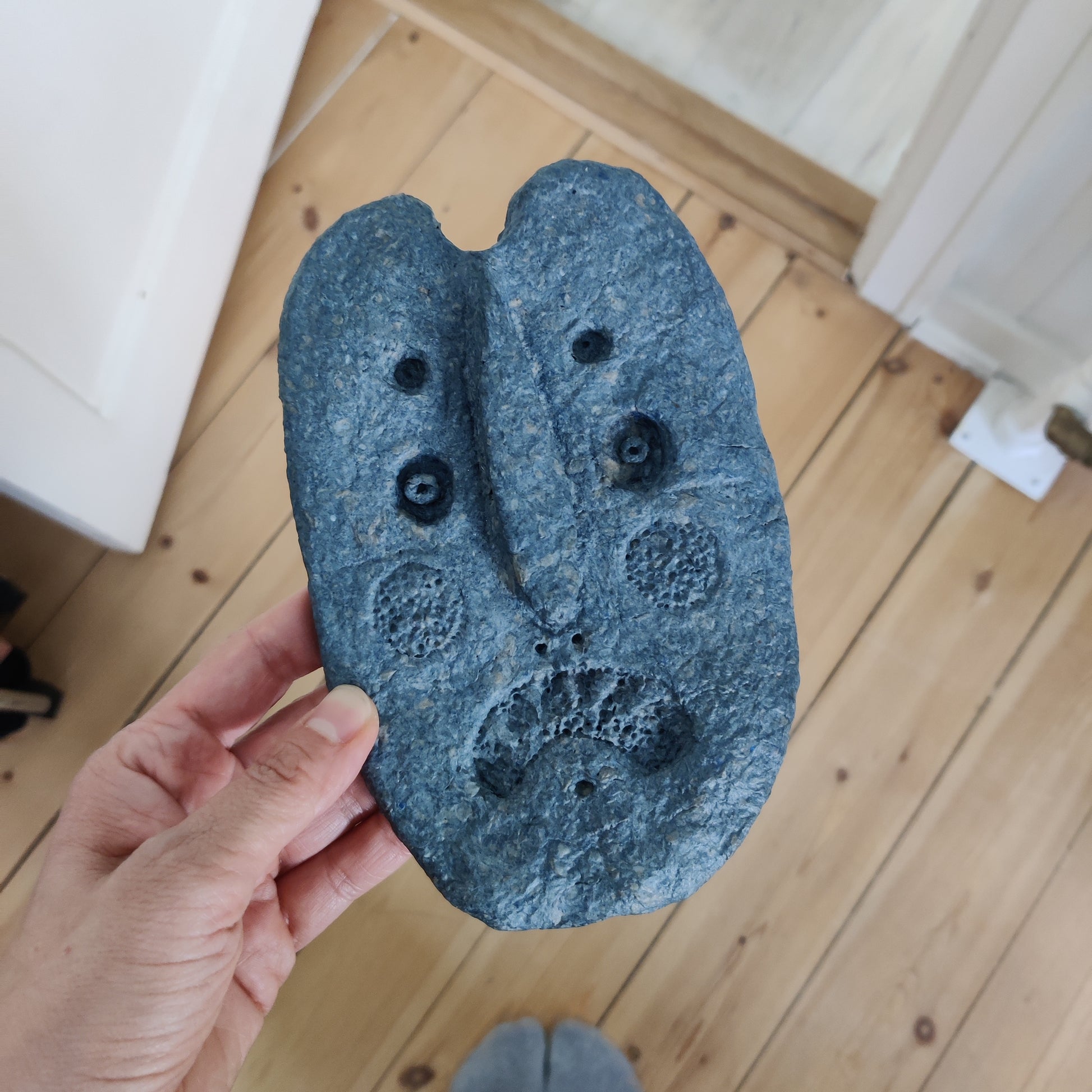
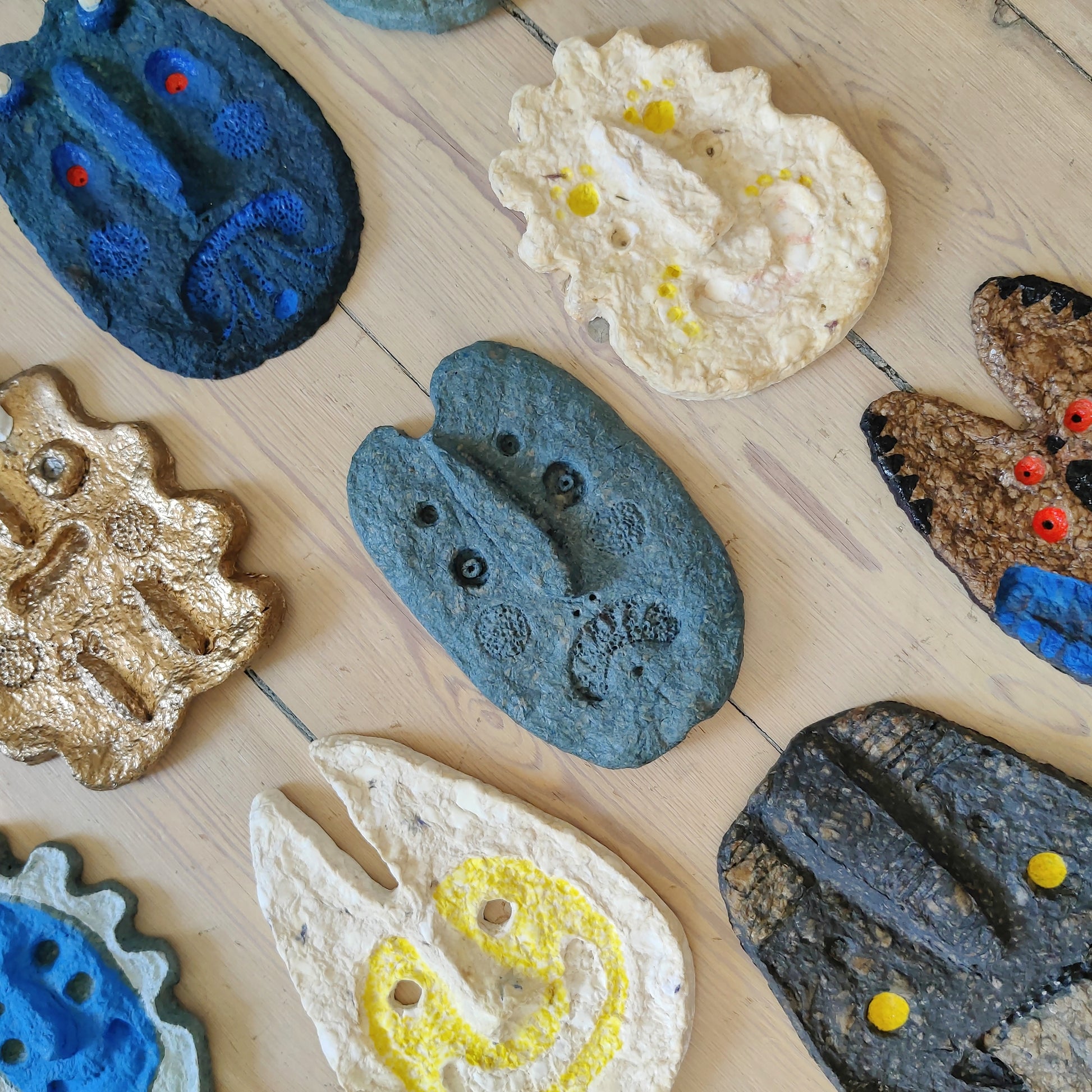
The growing love for wall objects in 2025 shows how much we want real, handmade things in our homes. With so much of our lives spent looking at screens, we now want to touch and feel things that were made by human hands. These wall sculptures start conversations and set the mood for a room. People are looking for art with a story – pieces that show an artist's skill and creativity rather than mass-produced decorations. This matches how many of us now want to buy fewer things but make sure those things are special and made with care.
At HiPosterShop's Wall Art Objects collection, you'll find handmade wall masks and sculptures that fit this trend perfectly. Made from earth-friendly materials like paper clay and cardboard, these pieces blend artistic expression with care for the environment – something that matters a lot in 2025. Each piece is carefully made, mixing old-school sculpting techniques with new materials to create art that feels both modern and timeless.
If you want to mix these 3D pieces with more traditional art, the Abstract Posters collection offers prints that work really well with wall objects. Combining flat and 3D elements creates walls that are more interesting to look at and turns ordinary spaces into personal art galleries.
Sustainable Materials in Contemporary Wall Objects
In 2025, being eco-friendly isn't just a nice bonus—it's a must-have for home decor. The coolest wall objects this year showcase creative uses of earth-friendly materials that are better for the planet while still looking amazing. Paper clay, recycled cardboard, and other reused materials have become favorites for forward-thinking artists. These materials not only reduce environmental impact but also create unique textures that traditional materials like metal or stone can't match. The natural, slightly imperfect look of these sustainable materials adds warmth and character that fits perfectly with today's design trends.
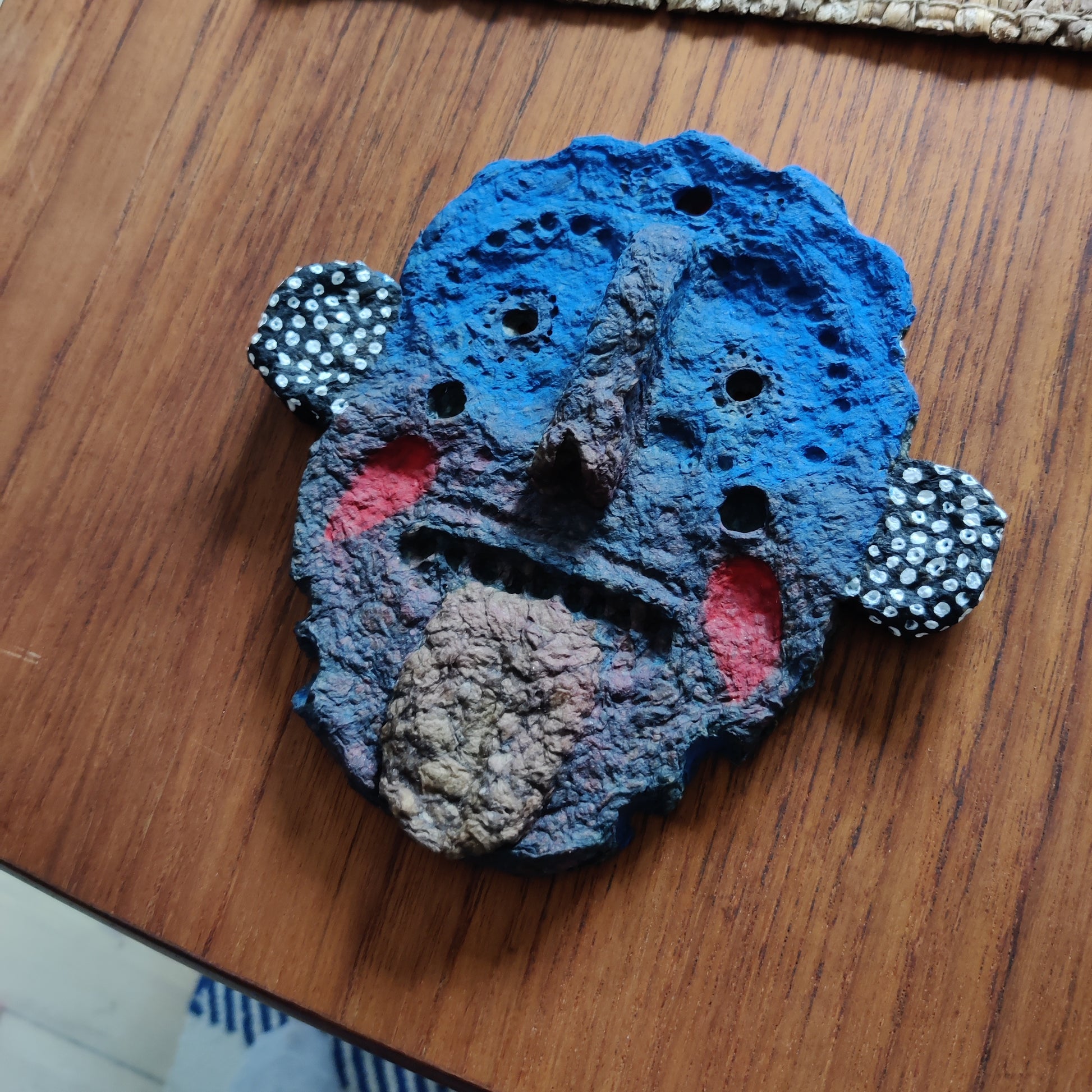
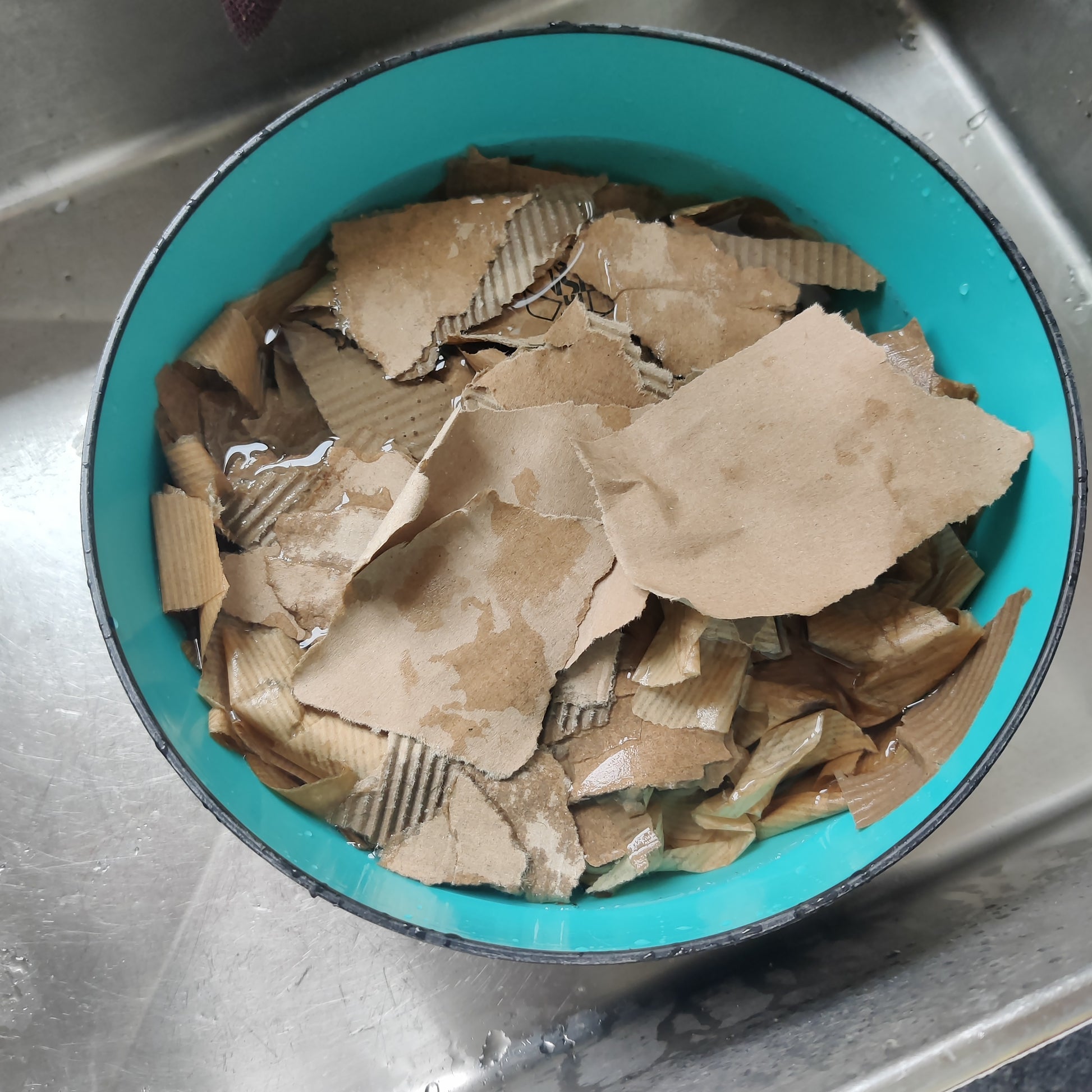
Paper clay, made from paper pulp mixed with clay, has become a super popular material for wall objects. This material has several big advantages:
1. Lightweight construction - Unlike ceramic or stone sculptures, paper clay pieces are much lighter, so you can hang them easily without special hardware
2. Textural versatility - The material can be shaped, carved, pressed, and finished in many different ways
3. Eco-friendly composition - Often made with recycled paper, reducing waste
4. Durability - When finished properly, these pieces last a long time
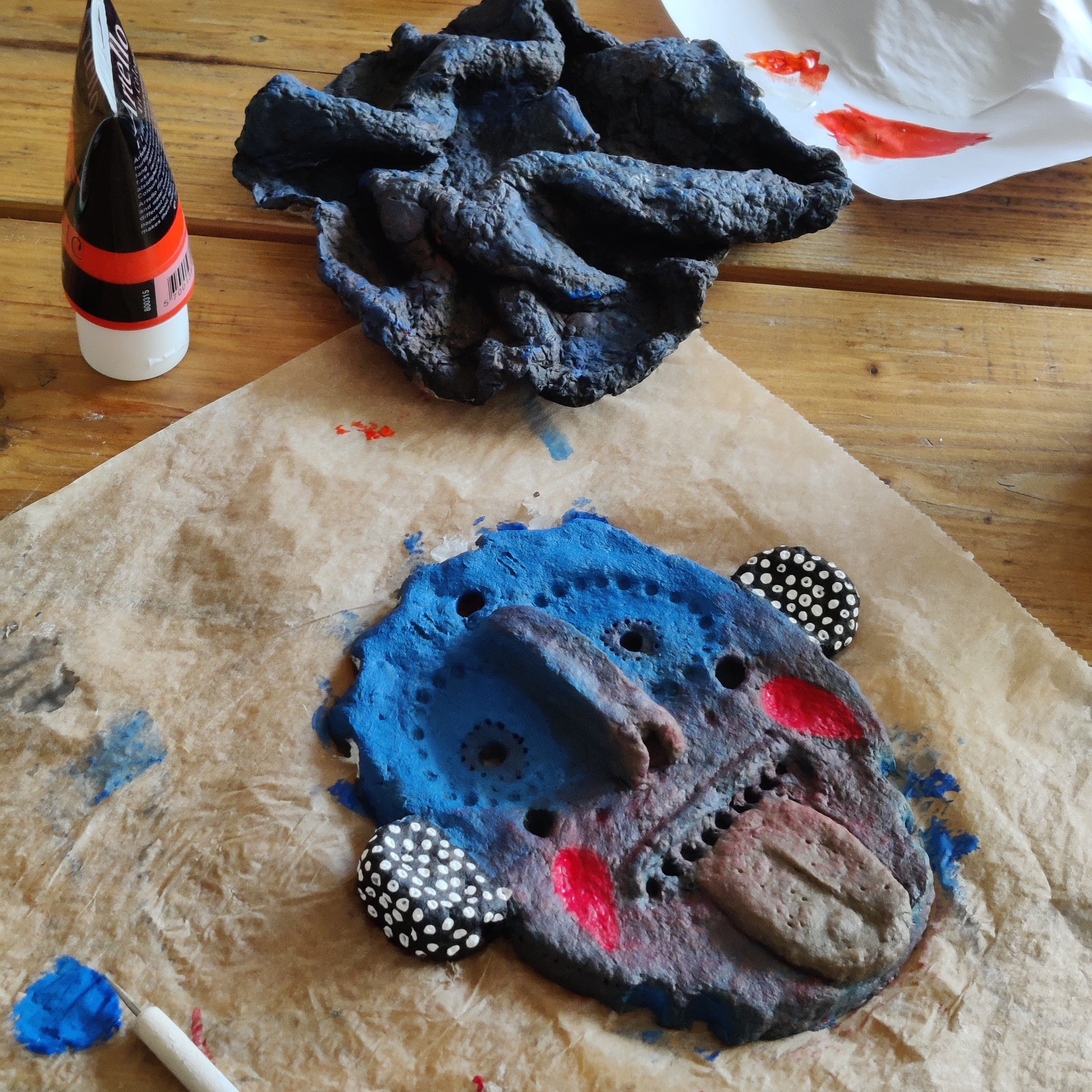
The Funky Wall Mask with Polka Dot Ears is a great example of this approach, combining fun design with sustainable materials. Priced at $49.99, this unique piece shows how eco-friendly art can be both affordable and eye-catching. The making process uses very little water and non-toxic finishes, which is better for the environment. Artists who work with paper clay often say they love how unpredictable it can be, creating one-of-a-kind variations that make each piece truly special.
If you're curious about how these pieces are made, the journal offers insights into decorative techniques for both flat art and 3D objects. Learning about these processes helps you appreciate the skill involved and make better choices about the art you bring into your home.
Sculptural Masks: The Statement Pieces of 2025
Among all the wall object trends of 2025, sculptural masks really stand out for their bold visual impact and cultural connections. Taking inspiration from art traditions around the world while looking modern, these wall-mounted masks become powerful focal points in today's homes. Masks have important meaning in many cultures throughout history, making these pieces not just decorative but meaningful. Their human-like forms create an emotional connection that abstract art often can't, while their 3D quality creates dramatic shadows when lit properly.
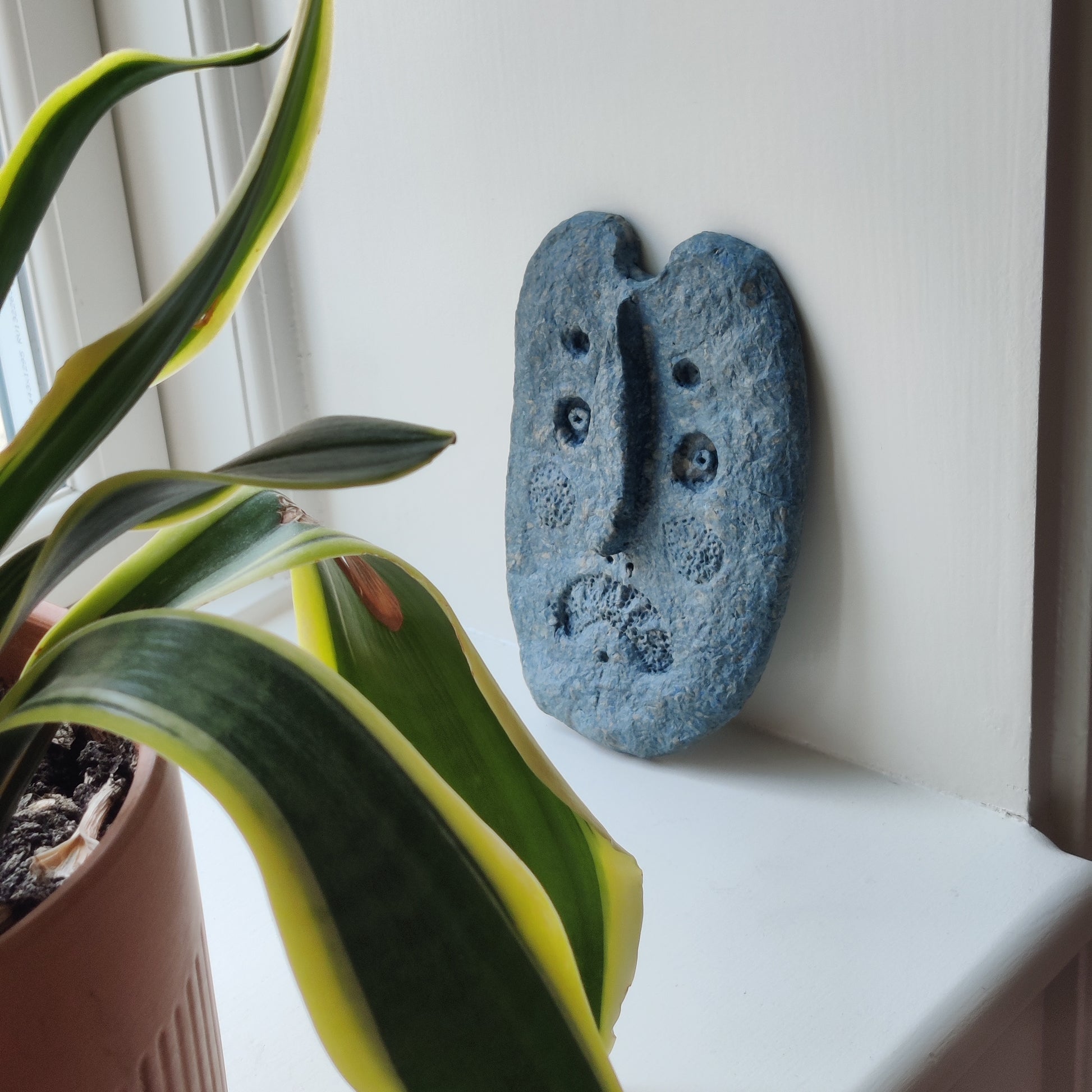
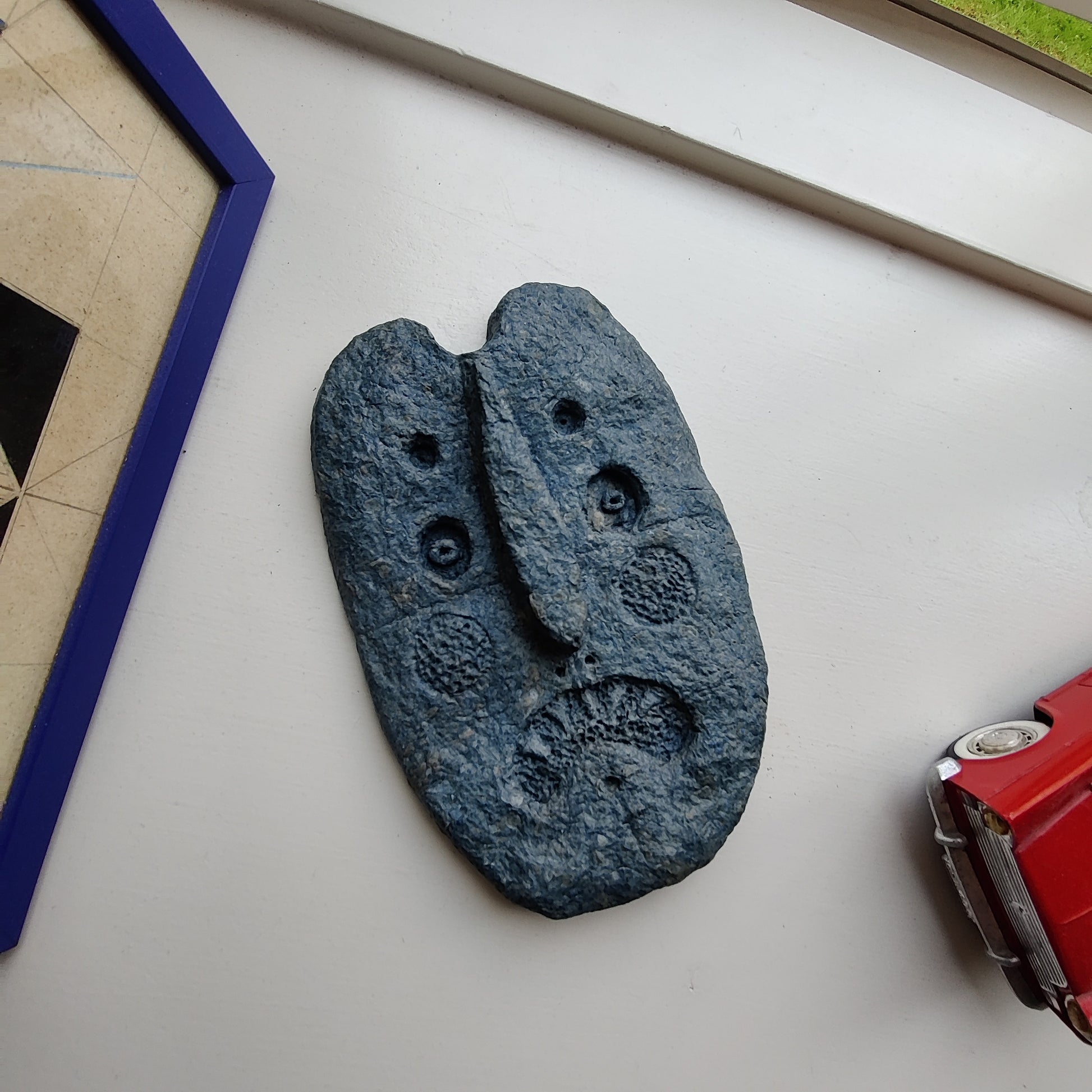
The 4 Eyed Mask is a perfect example of this trend. Priced at $29.99, this unique piece has a surrealist style with multiple eyes that create an interesting visual effect. Its textured surface and 3D quality make it perfect for simple spaces that need one standout piece. The asymmetrical eye arrangement creates a sense of movement that changes depending on where you view it from, making it more interactive than static decoration. Interior designers often suggest pieces like this for spaces that need a conversation starter without overwhelming the room's overall look.
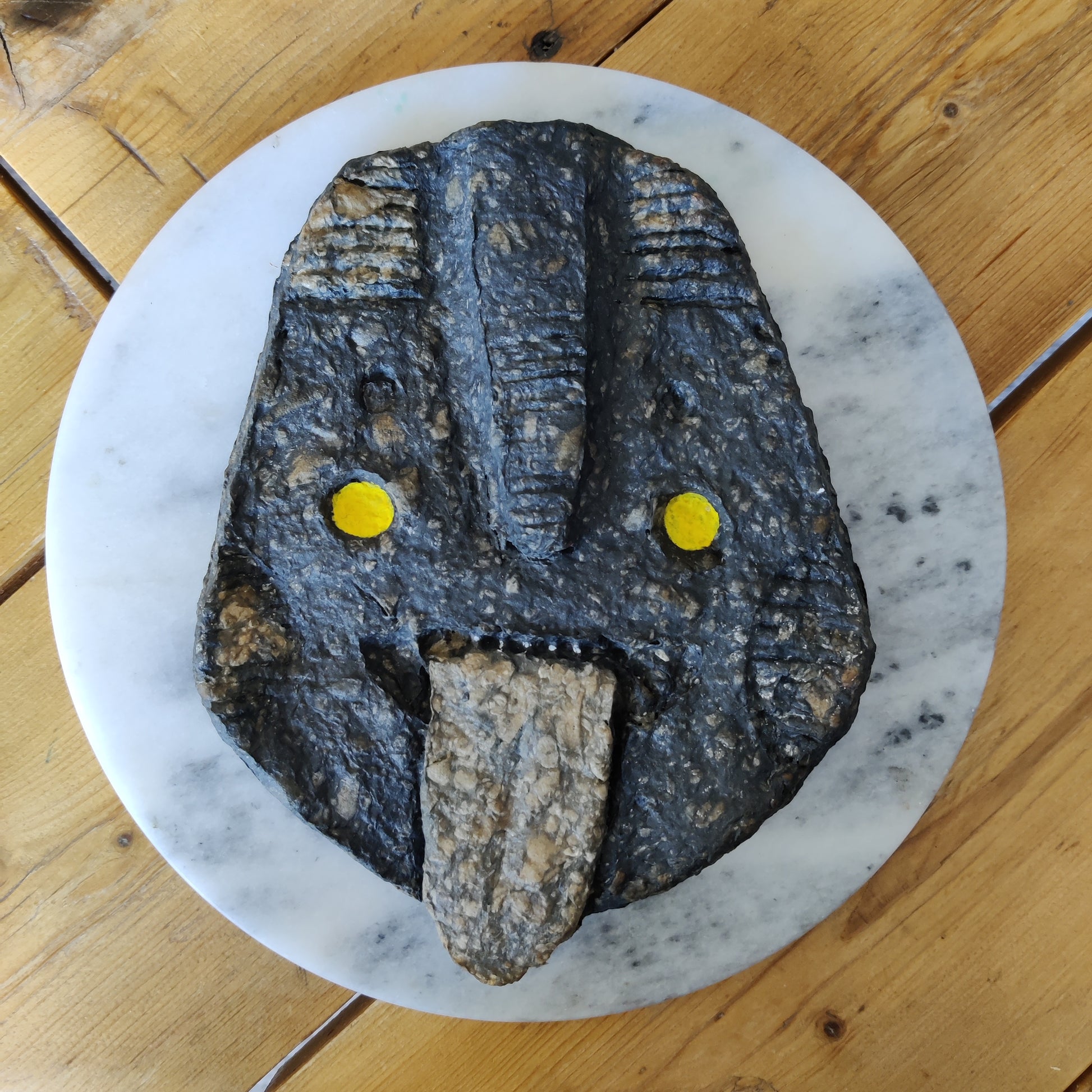
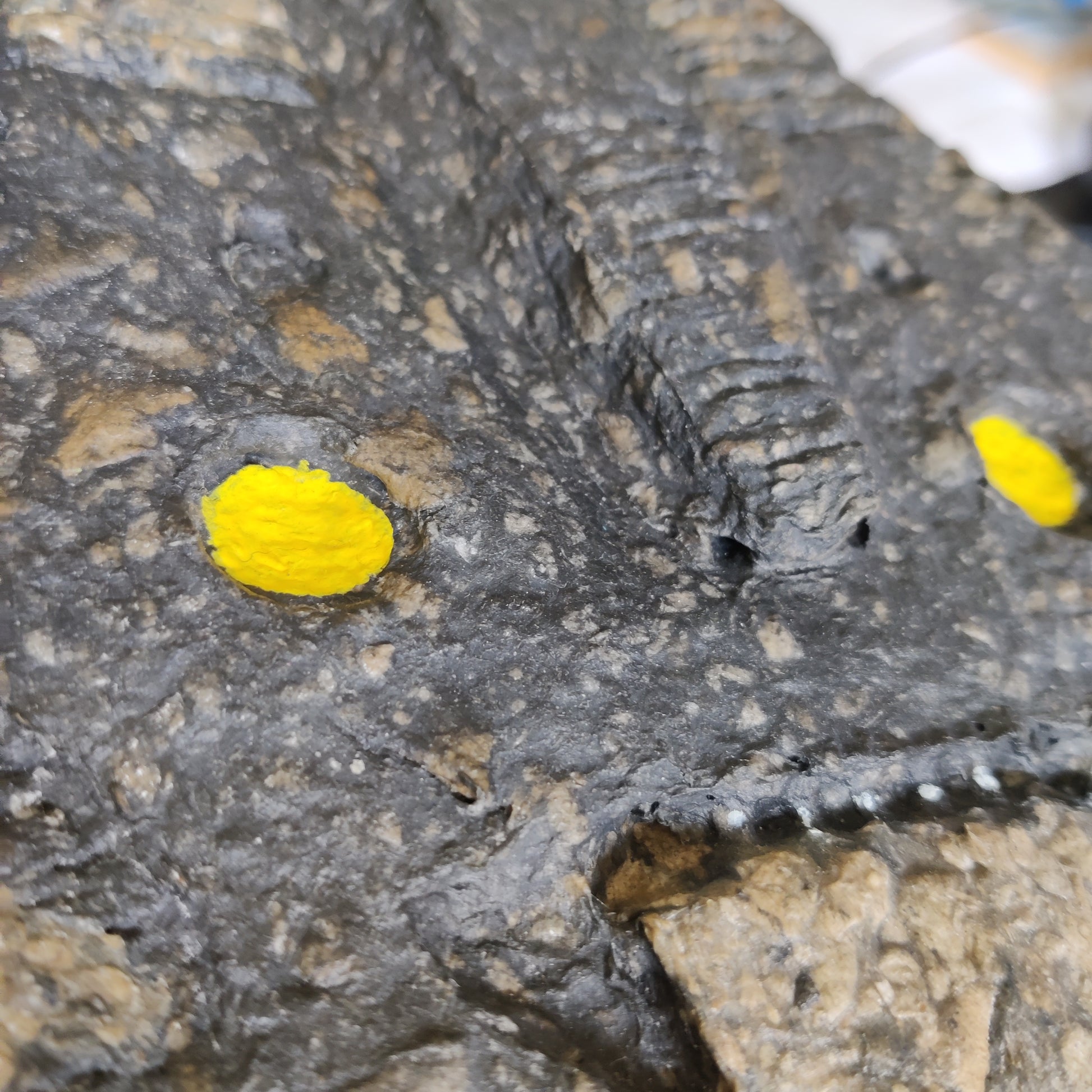
Similarly, the Yellow-eyed Mask offers a different style while still having the sculptural impact that defines this type of wall object. Its bright yellow accent catches your eye and can help set a room's color scheme. The strategic use of color guides your eye naturally to this focal point, while the texture rewards closer inspection with subtle details.
What makes these sculptural masks so popular in 2025 interior design is their ability to:
1. Add dimension - Breaking away from the flatness of traditional wall art
2. Create visual intrigue - Offering different perspectives when viewed from various angles
3. Introduce texture - Providing tactile interest that complements smooth, modern surfaces
4. Reference cultural heritage - Connecting contemporary spaces to artistic traditions
For ideas on how to use these statement pieces in your home, the Scandinavian Simplicity journal article offers helpful tips on balancing bold statement pieces with minimalist surroundings. This approach lets the sculptural qualities of these masks stand out without competing with other decorations, creating a balanced visual environment that feels both carefully chosen and natural.
Abstract Organic Forms in Wall Decor
Beyond masks, abstract organic forms are another big category in the 2025 wall object scene. These pieces are inspired by nature, geological formations, and biological shapes, creating a visual style that feels both primitive and futuristic. Unlike art that shows recognizable things, these abstract forms connect with us on a more instinctive level, creating emotional responses through shape, texture, and composition rather than familiar images. Their organic qualities bring a natural harmony to homes full of straight lines and manufactured materials.
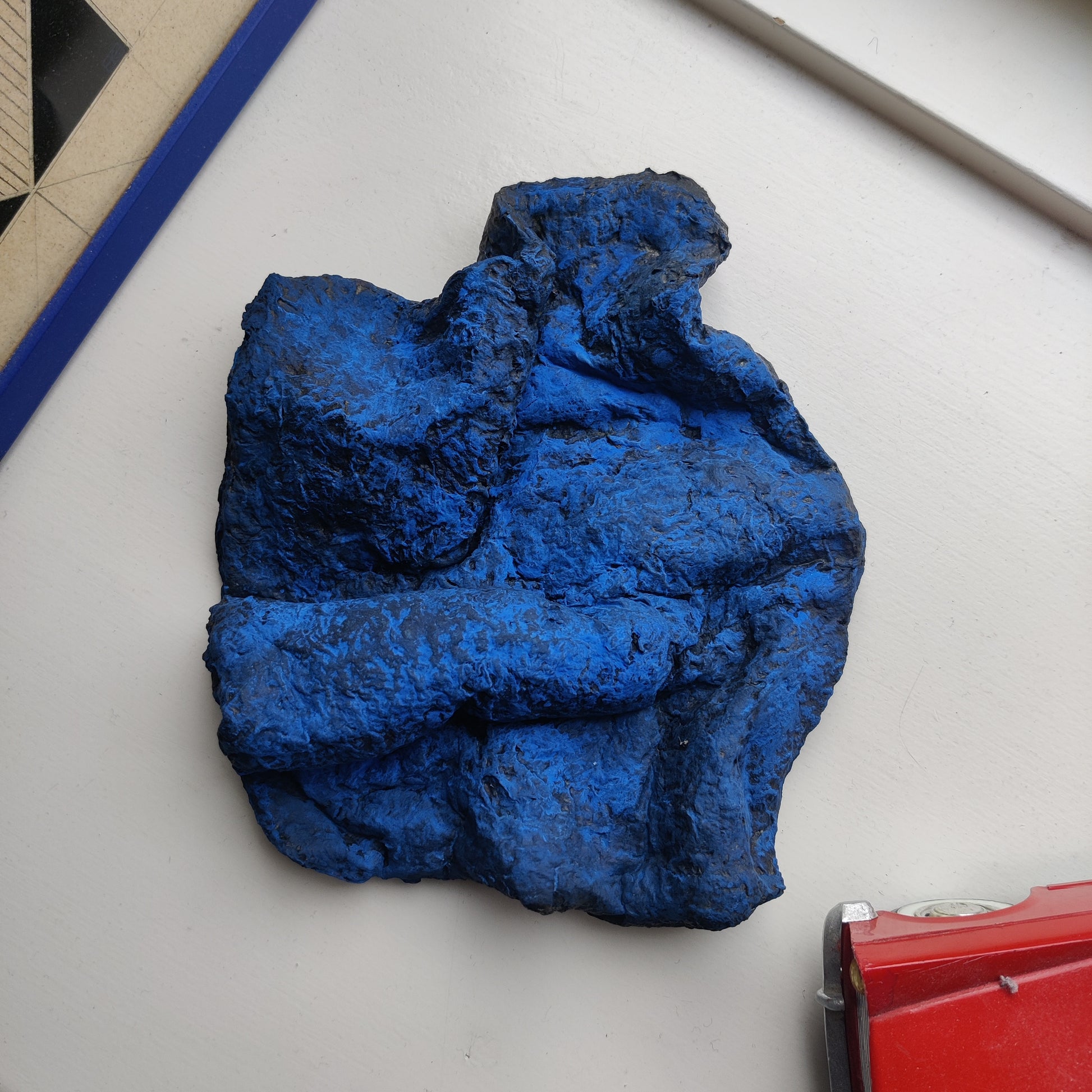
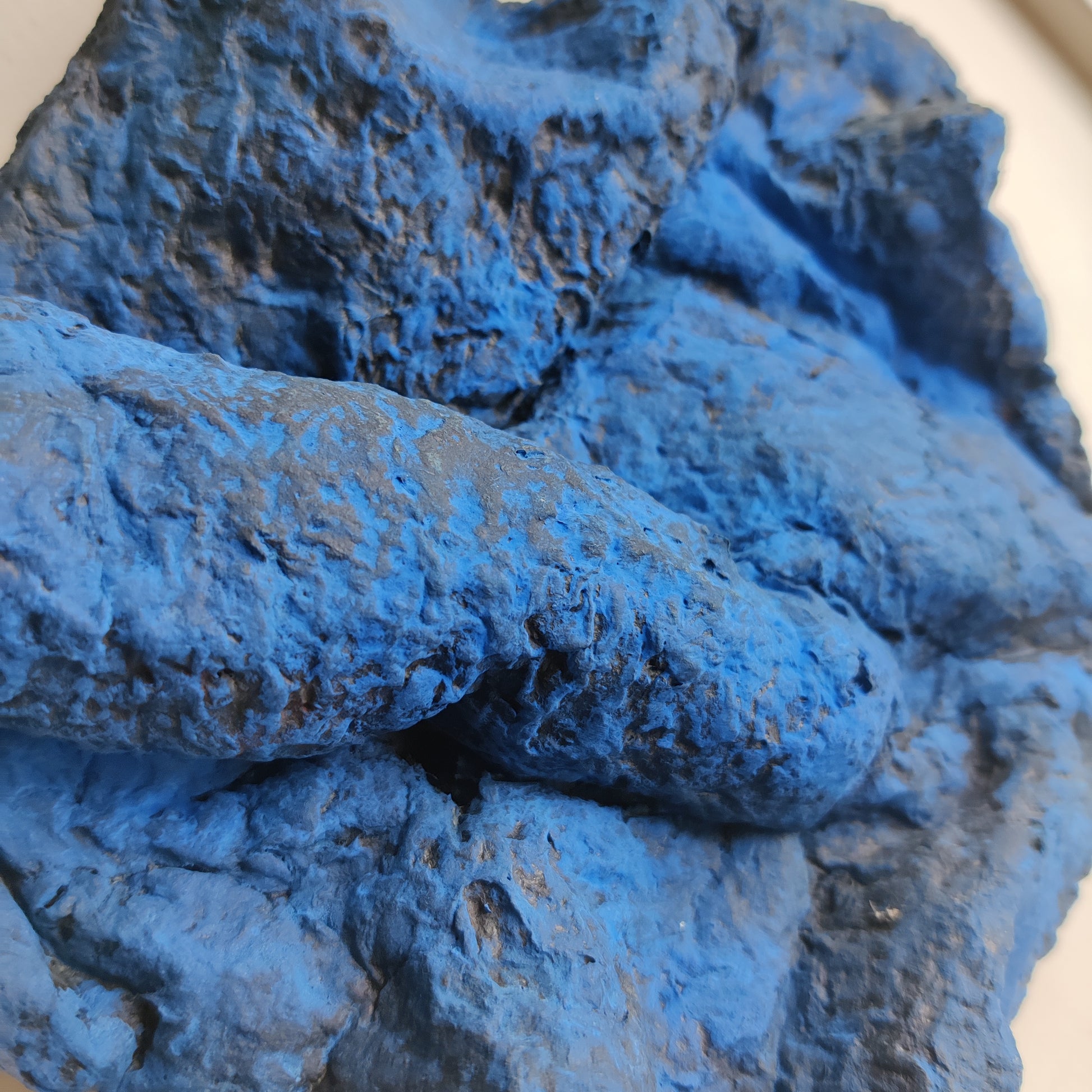
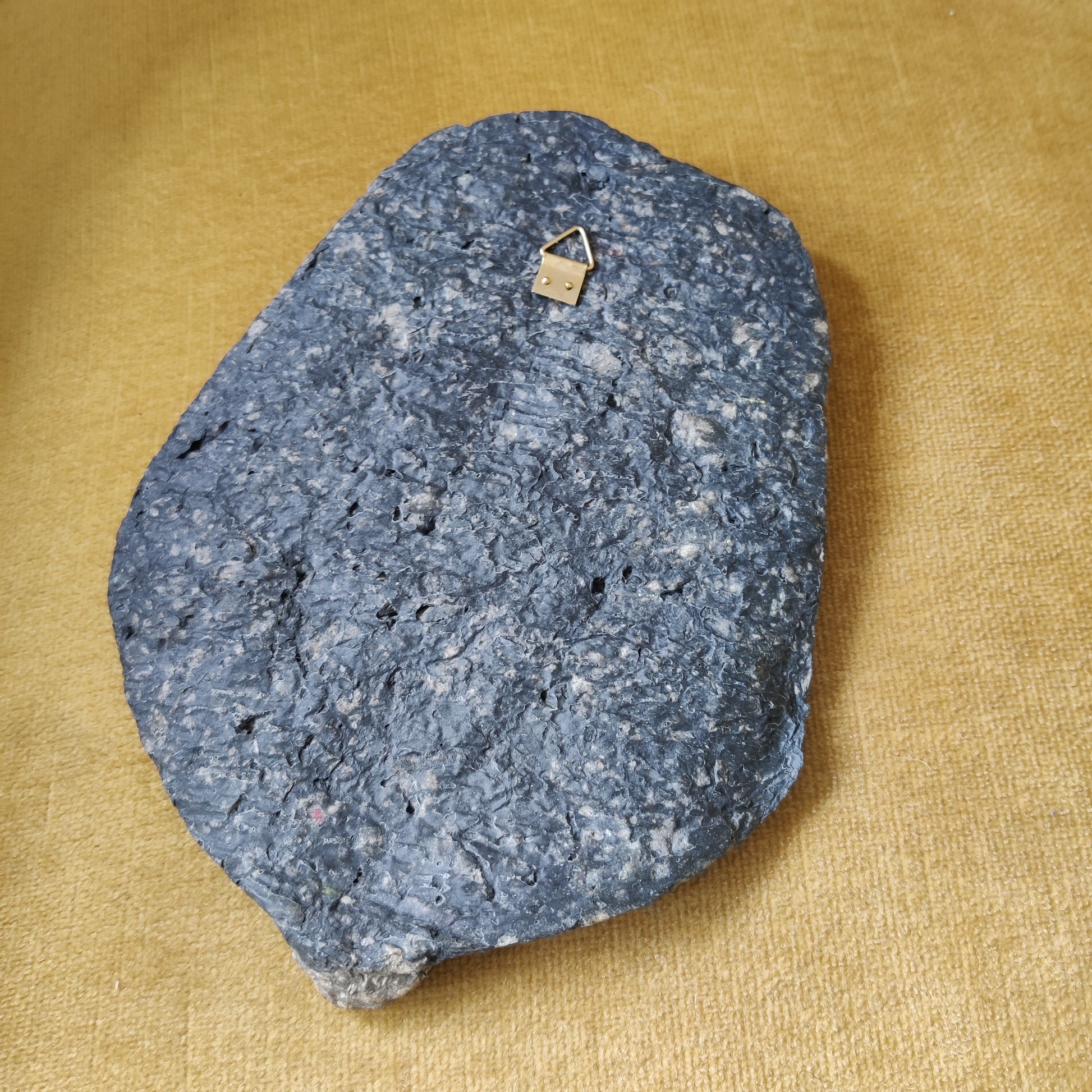
The Volcano Part wall object shows this trend perfectly. This sculptural piece reminds us of flowing volcanic forms while staying abstract enough to fit with modern interiors. Its complex texture creates fascinating shadows when properly lit, adding another dimension to its visual impact. The irregular shape and varied surface look different from multiple angles, creating an ever-changing visual experience as light shifts throughout the day. This dynamic quality makes such pieces especially valuable in spaces that might otherwise feel static or too controlled.
Abstract organic forms work especially well in spaces that embrace:
1. Biophilic design principles - Creating connections to nature within built environments
2. Neutral color palettes - Allowing the sculptural qualities to take center stage
3. Minimalist furnishings - Providing visual breathing room for complex forms
4. Thoughtful lighting - Enhancing the dimensional qualities through strategic illumination
These organic wall objects pair beautifully with the Abstract Posters collection, creating a cohesive look that balances 2D and 3D elements. For those wanting a more colorful approach, the Pastel Posters offer complementary soft colors that enhance these organic forms. The mix of flat and dimensional elements creates a dynamic visual rhythm that engages the eye and transforms ordinary walls into curated artistic experiences that change as you move through the space.
Metallic Accents and Gilded Elements
While sustainable materials are big in the 2025 wall object world, metallic accents and gilded elements provide luxurious touches that add sophistication and visual warmth. Gold, brass, copper, and bronze tones are especially popular finishes for wall-mounted sculptures and 3D art pieces. These metallic elements reflect light in captivating ways, adding a dynamic quality that changes throughout the day as natural light shifts. The contrast between organic forms and metal-like finishes creates an interesting visual tension that works in many design styles from minimalist to maximalist.
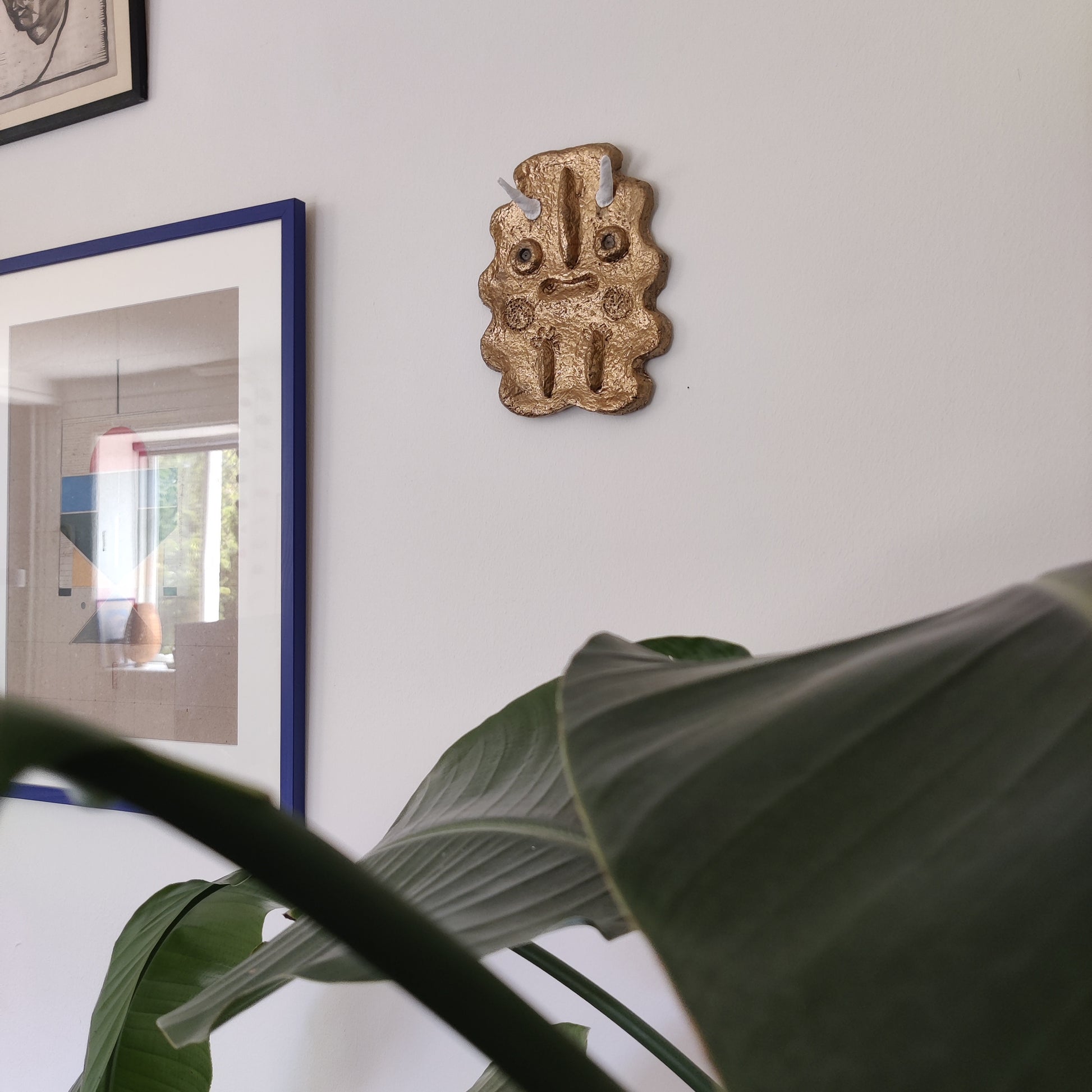
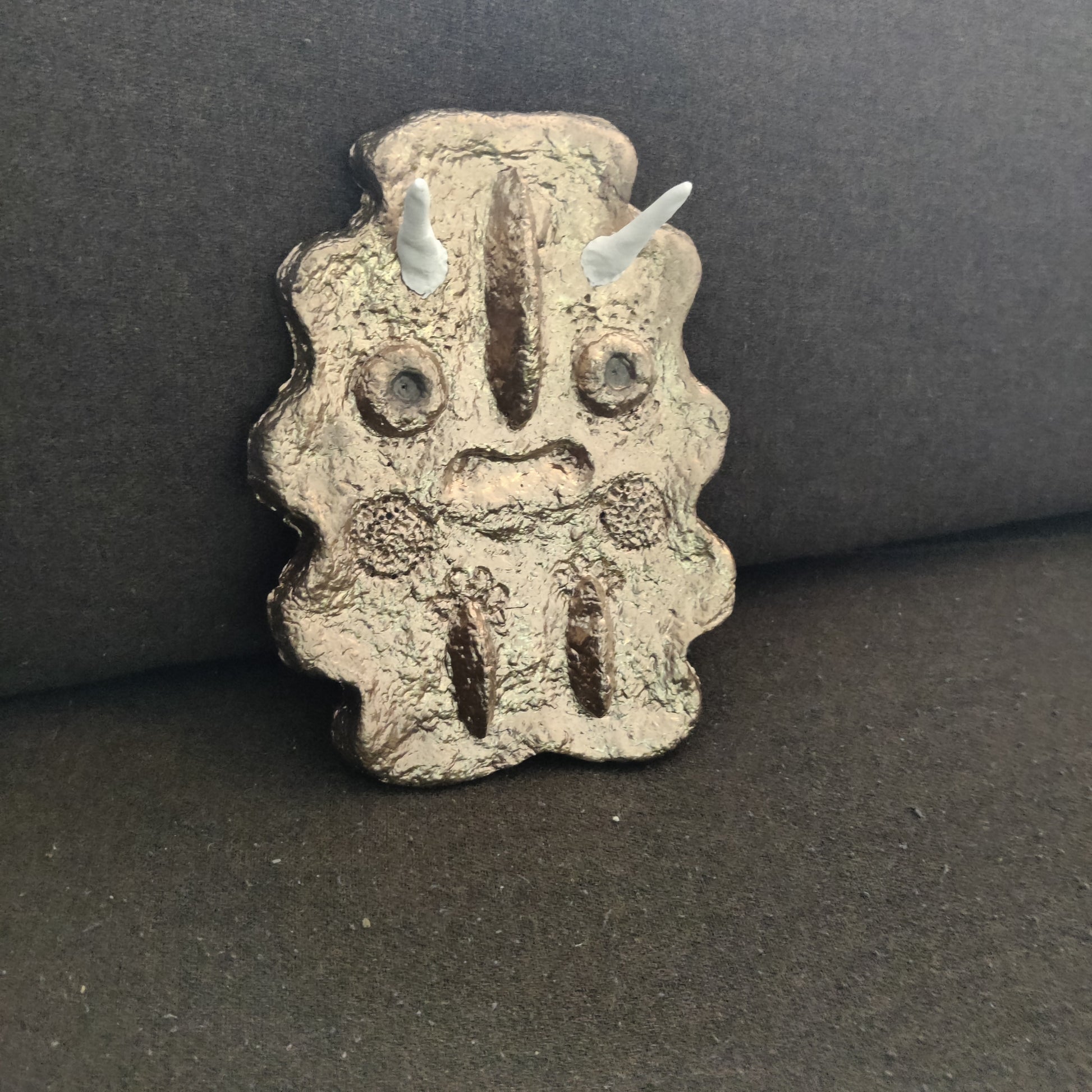
The Golden Boy wall object captures this trend perfectly. Priced at $29.99, this sculptural piece has a warm gold finish that catches and reflects light, creating a glowing presence on any wall. The contrast between the organic shape and the metallic finish creates an interesting visual tension that works in both traditional and modern settings. The reflective quality adds a sense of movement as lighting changes, making the piece seem almost alive at certain times of day. Interior designers often suggest such metallic accents to add warmth and sophistication to neutral spaces without adding competing colors.
Metallic wall objects offer several design advantages:
1. Light reflection - Brightening spaces by bouncing ambient light
2. Warmth introduction - Adding visual warmth to cool color schemes
3. Versatile pairing - Complementing nearly any color palette
4. Timeless appeal - Transcending trends with classic materials
For a more subtle approach to metallics, consider pairing these statement pieces with the Drinks Posters collection, which often includes metallic accents in a more understated way. This combination creates a sophisticated, layered look that balances bold 3D elements with more restrained 2D art. The metallic elements create visual connections between different pieces, helping to unify the overall display while maintaining visual interest through varied forms and textures.
Integrating Wall Objects with Traditional Art
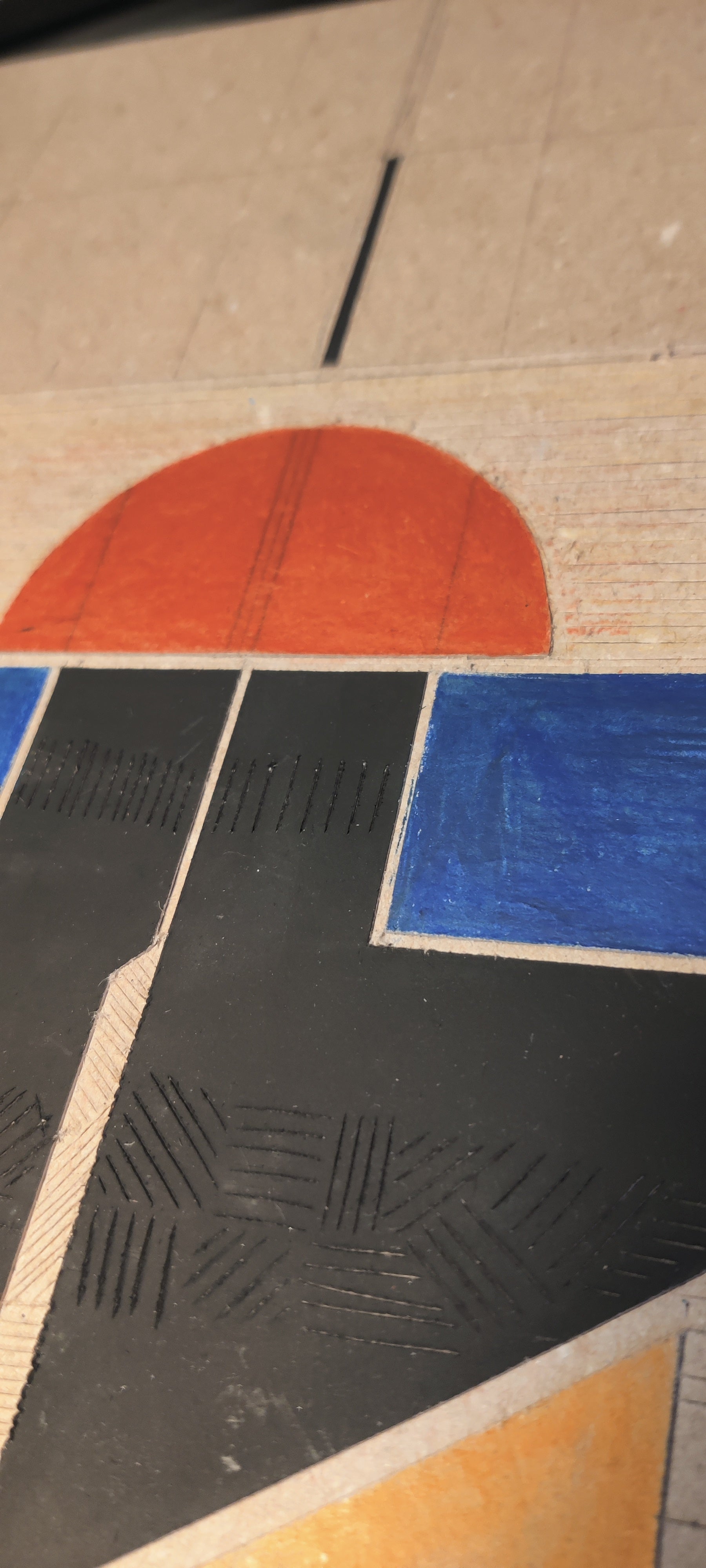
One of the most exciting things about the 2025 wall decor scene is how 3D objects are being mixed with traditional 2D art. This layered approach creates rich, visually complex displays that catch the eye and turn ordinary walls into curated gallery spaces. Instead of choosing between flat art and sculptural pieces, smart designers are combining these elements to create multi-dimensional compositions that offer visual interest from various distances and angles. This approach allows for more personal expression and creates more dynamic spaces that reveal new details over time.
The key to successfully mixing wall objects with traditional art is thoughtful arrangement. Here are some effective approaches:
1. Thematic groupings - Arranging pieces that share color palettes, subject matter, or artistic styles
2. Varied spacing - Creating visual rhythm through thoughtful placement and spacing
3. Scale variation - Mixing large statement pieces with smaller complementary works
4. Depth play - Positioning objects to create layered dimensionality on the wall
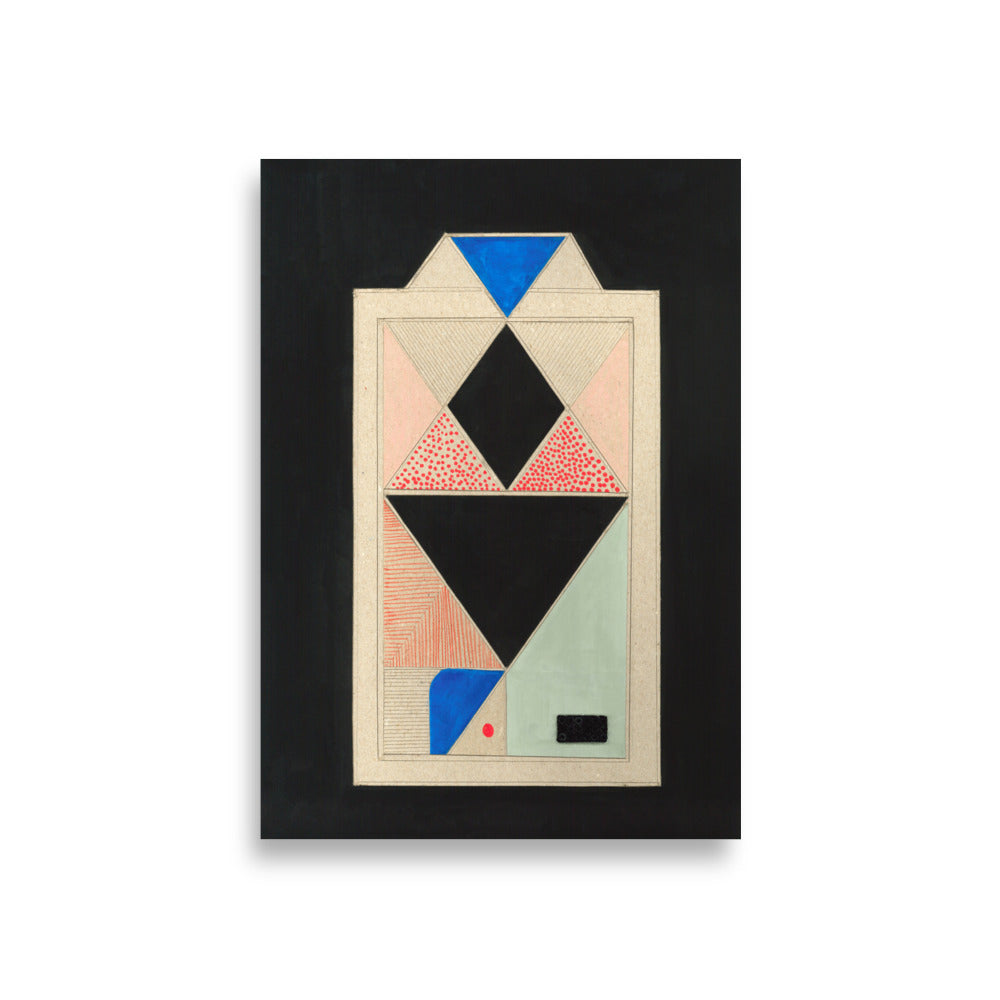
The Diamond Poster ($25.99) and Original Color Block Totem Poster are perfect 2D companions to sculptural wall objects. Their geometric shapes and bold colors complement the organic forms of wall masks and sculptures. When displayed together, these varied elements create a visual conversation that engages viewers more deeply than either type of art could achieve alone. The flat geometric patterns provide a structured counterpoint to the more organic 3D forms, creating a balanced composition that feels both intentional and dynamic.
For those looking for guidance on creating cohesive wall displays, the guide to room decoration offers practical tips on arrangement. These principles can be applied to mixed-media displays, helping to create visually harmonious groupings that maintain interest through thoughtful variation in form, texture, and dimension while preserving an overall sense of intentional design.
Color Trends in 2025 Wall Objects
The color palette for wall objects in 2025 reflects broader interior design trends, with a noticeable shift toward earthy neutrals with strategic color accents. This approach creates versatile pieces that can adapt to changing interior color schemes while maintaining their visual impact. Rather than following fast-changing fashion colors, these objects take a more timeless approach that allows them to remain relevant as surrounding decor evolves. The focus on texture and form rather than bold color makes these pieces particularly adaptable to various interior styles, from minimalist to eclectic.
The main color trends for wall objects in 2025 include:
1. Warm neutrals - Beige, ecru, taupe, and clay tones that provide versatile backgrounds
2. Terracotta and rust - Earthy reds that add warmth without overwhelming
3. Selective bright accents - Strategic pops of yellow, blue, or green that draw the eye
4. Metallic highlights - Gold, brass, and copper tones that add sophistication and light reflection
The Funky Wall Mask with Polka Dot Ears shows this approach with its neutral base and playful polka dot patterns. Similarly, the Yellow-eyed Mask uses a bright yellow accent to create visual focus. This selective use of color creates a natural flow that guides the eye through the composition, while the mostly neutral palette ensures these pieces can adapt to changing surrounding decor. Color experts note that this approach creates visually restful environments that still maintain interest through textural variation and thoughtful color accents.
For complementary 2D art that matches these color trends, check out the Pastel Posters collection, which offers subtle color palettes that work beautifully with sculptural wall objects. These softer colors create a cohesive background that allows the 3D qualities of wall objects to stand out without competing color distractions. The result is a sophisticated, layered look that feels intentional and harmonious while maintaining visual interest through varied textures and forms.
Placement Strategies for Maximum Impact
The power of wall objects depends not just on the pieces themselves but on where you put them in a room. Smart positioning can highlight architectural features, create focal points, and establish visual flow throughout a space. Professional interior designers stress that proper placement is just as important as choosing the pieces themselves, with considerations of scale, proportion, viewing angles, and lighting all playing key roles in the overall impact. A thoughtfully positioned wall object can transform an ordinary space into a distinctive environment that reflects personal style while respecting the room's architecture.

Effective placement strategies for wall objects in 2025 include:
1. Eye-level positioning - Centering pieces at approximately 57-60 inches from the floor (standard gallery height)
2. Architectural emphasis - Using objects to highlight architectural features like niches, alcoves, or wall transitions
3. Negative space utilization - Allowing breathing room around statement pieces to maximize their impact
4. Lighting coordination - Positioning objects to benefit from natural or artificial lighting that enhances their dimensional qualities
For complete guidance on wall art placement, the article on transforming spaces offers practical tips for both 2D and 3D wall art. These principles help create displays that feel intentional and professional rather than random, with each piece given appropriate visual space to be appreciated. Professional designers often suggest taking photos of potential arrangements before final installation, allowing for adjustments to achieve the best visual balance before putting holes in your walls.
Customization and Personalization Trends
In 2025, the desire for unique, personalized spaces has led to a trend toward customizable wall objects that can be tailored to individual preferences and interior schemes. This approach allows for greater personal expression while maintaining the artistic integrity of the pieces. As mass production dominates many aspects of consumer culture, these customizable art objects offer a counterpoint of individuality and personal connection that many homeowners want. Being able to participate in design decisions creates a deeper attachment to these pieces, transforming them from mere decorations into meaningful expressions of personal taste.
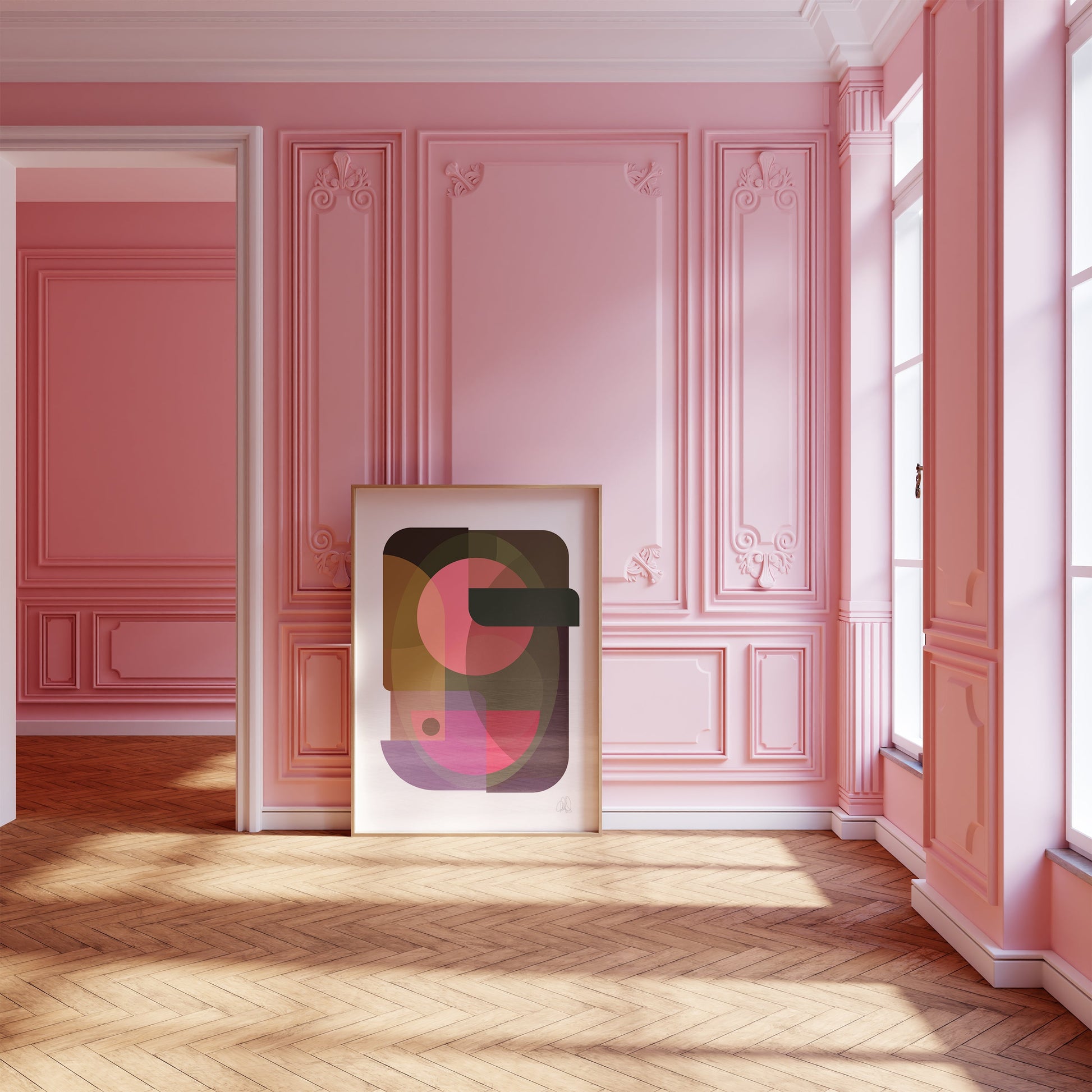
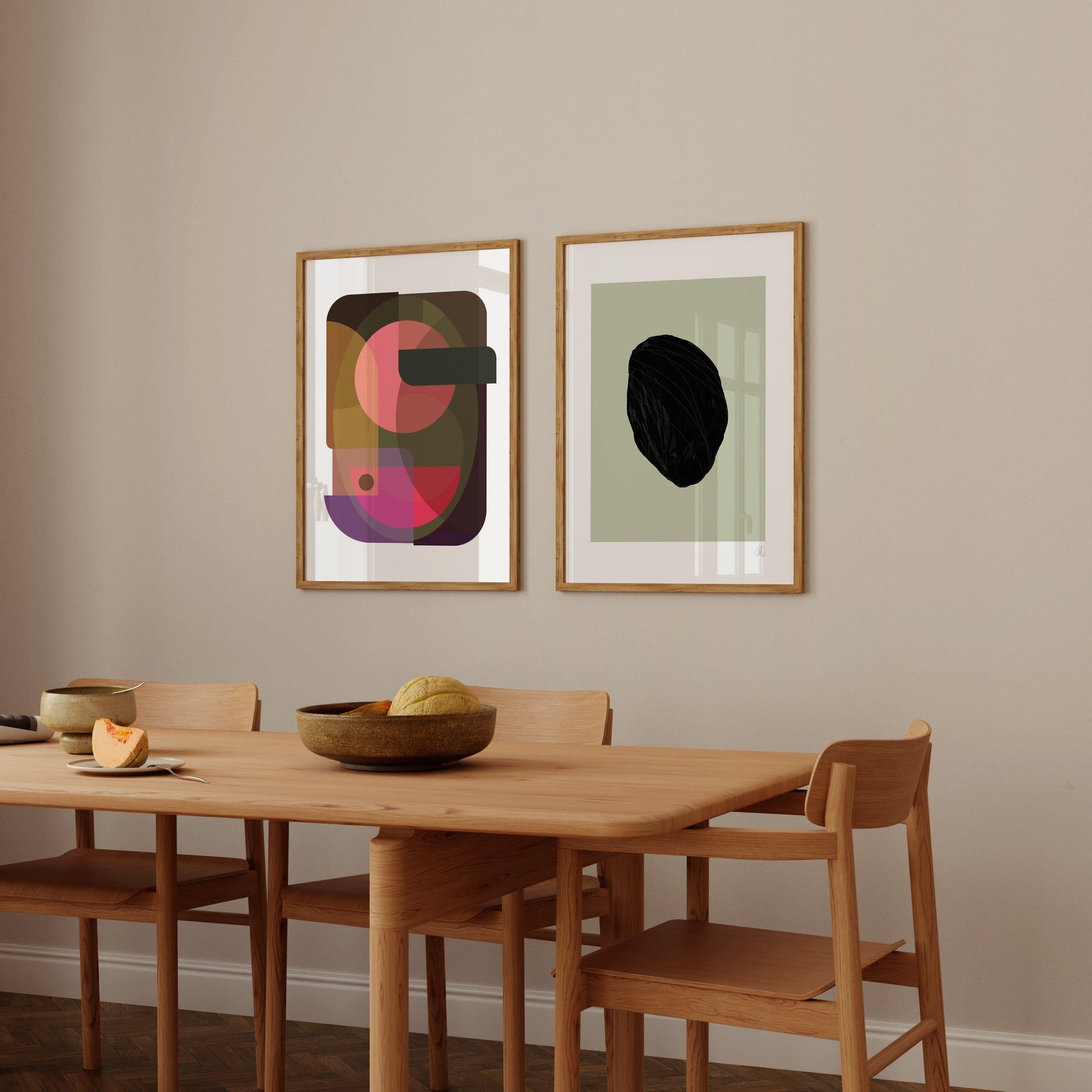
Customization options for wall objects may include:
1. Finish selection - Choosing from various color treatments or metallic finishes
2. Size variations - Scaling pieces to suit specific wall spaces
3. Mounting configurations - Offering multiple orientation possibilities
4. Complementary groupings - Creating curated sets that work together visually
While sculptural wall objects are finished art pieces, complementary options like the Oval Color Art Poster can be selected to coordinate perfectly with 3D pieces. This poster, featuring "all of my favorite colors," offers a fun counterpoint to more sculptural wall elements. The ability to create coordinated displays that still feel personally curated rather than mass-produced allows homeowners to express their unique taste while benefiting from thoughtful design principles. Interior designers note that this balance between personal expression and professional guidance often gives the most satisfying results.
For those interested in creating personalized wall displays, the guide to transforming your space offers valuable insights on creating cohesive yet personal arrangements. These principles help ensure that customized displays maintain visual harmony while reflecting individual preferences, creating spaces that feel both professionally designed and authentically personal.
Lighting Considerations for Wall Objects
The 3D nature of wall objects makes lighting super important in their display. Good lighting can dramatically enhance the textural qualities, create interesting shadow play, and bring out subtle details that might otherwise go unnoticed. Unlike flat artwork, 3D pieces interact with light in complex ways, creating shadow effects that become part of the overall visual experience. Thoughtful lighting transforms these objects throughout the day, creating an ever-changing visual experience as natural light shifts and artificial lighting takes over in the evening.
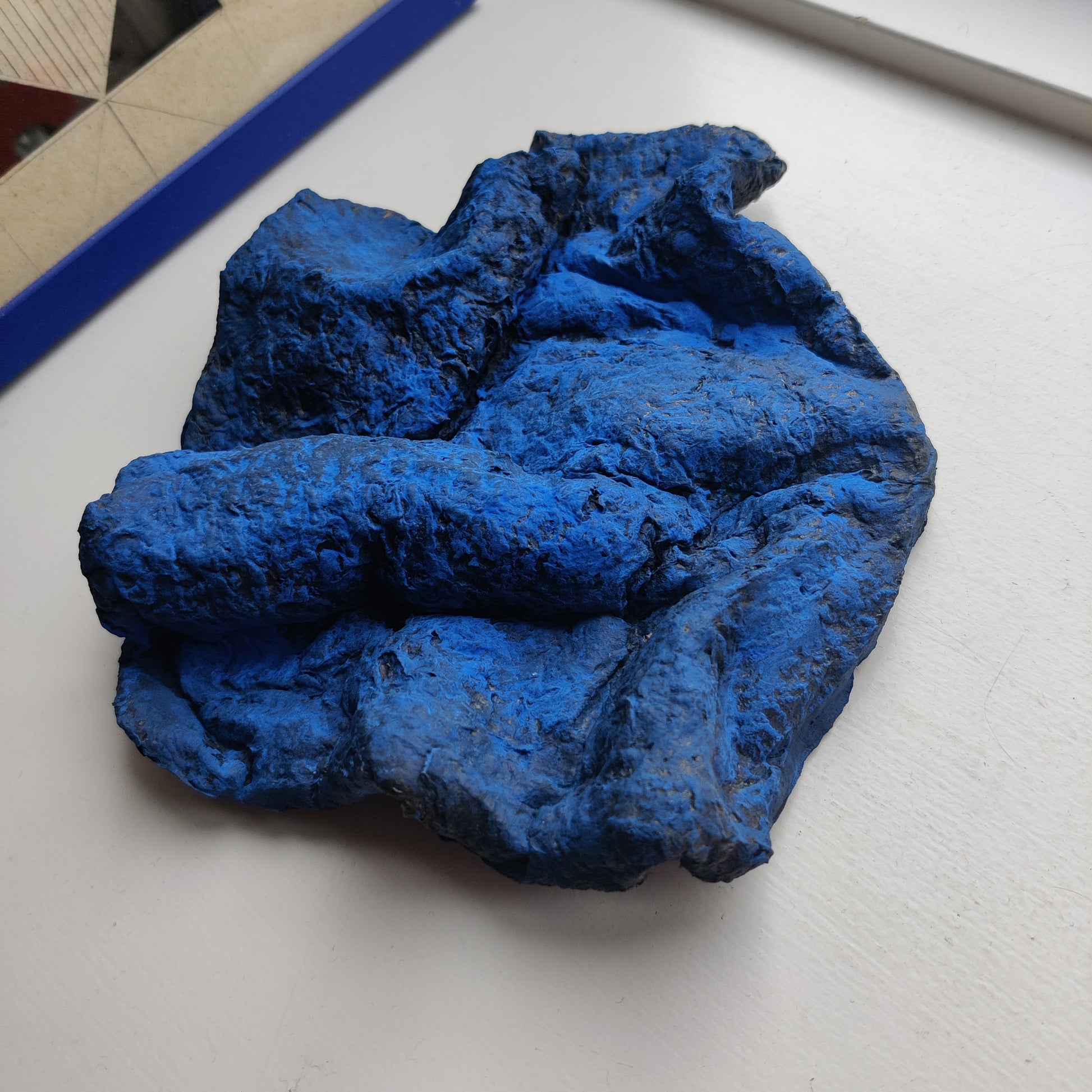
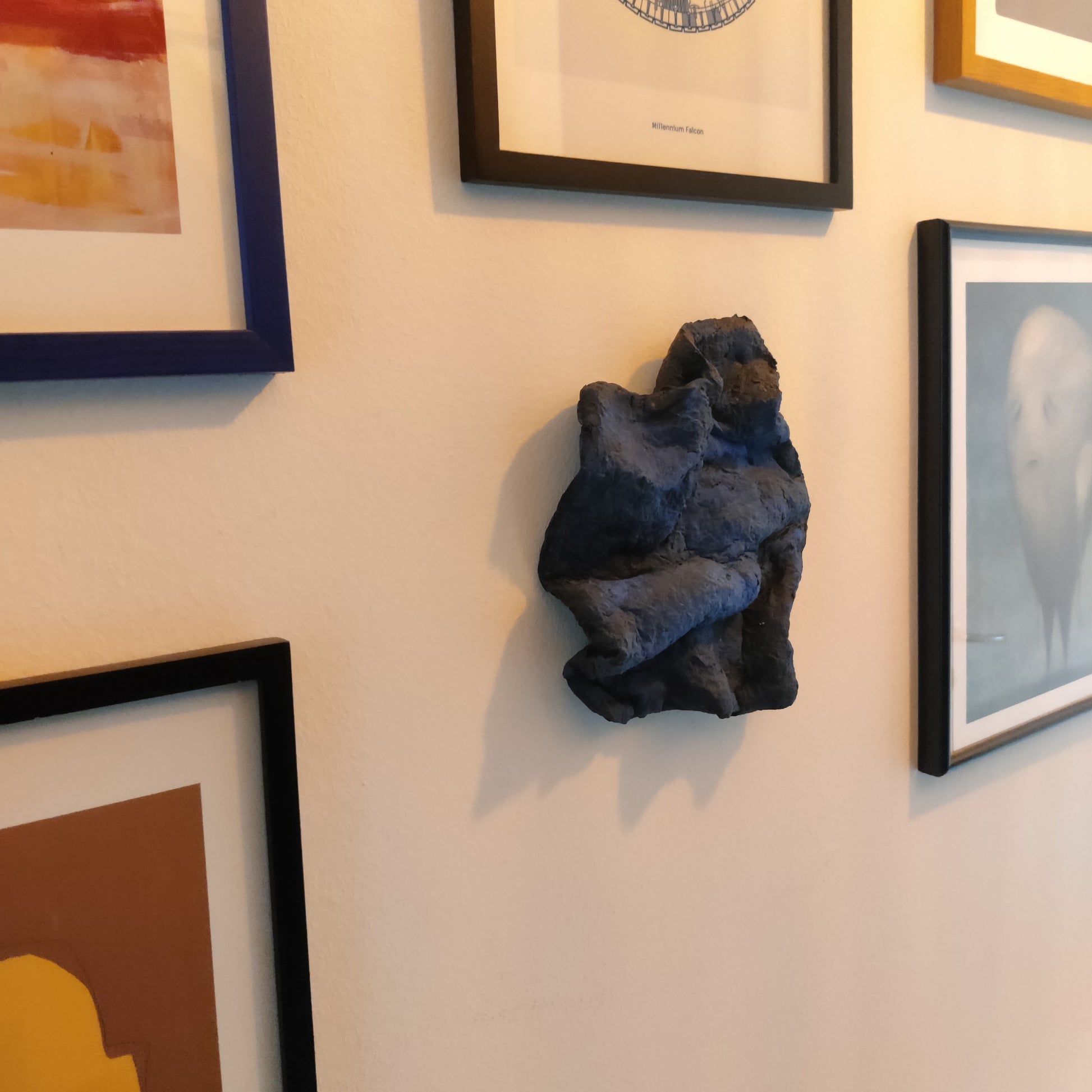
Effective lighting approaches for wall objects include:
1. Directional spotlighting - Creating dramatic shadows that enhance dimensionality
2. Ambient uplighting - Providing soft illumination that highlights overall form
3. Backlighting - Creating a halo effect that separates the object from the wall
4. Natural light positioning - Placing objects where changing daylight creates evolving visual effects
The Volcano Part wall object shows how lighting can dramatically change how we see it, with its complex surface creating fascinating shadow patterns under different lighting conditions. Lighting experts often suggest trying various lighting angles before final installation, as the interaction between light, object, and shadow can create dramatically different effects depending on direction and intensity. Some collectors even use adjustable lighting systems that allow them to change how their wall objects look for different occasions or moods.
For a complete approach to wall display that considers both 2D art and 3D objects, the room decoration guide offers practical lighting tips for all wall art forms. These principles help ensure that your investment in wall objects is maximized through proper illumination that reveals their full artistic potential throughout changing light conditions.
Creating Gallery Walls with Dimensional Objects
The gallery wall concept has changed a lot in 2025, moving beyond flat arrangements of framed prints to include 3D objects that create multi-layered visual experiences. These mixed-media displays are one of the most exciting trends in modern interior design. By combining flat artwork with sculptural elements, these dynamic compositions create visual journeys that engage viewers more deeply than traditional gallery walls. The interplay between 2D and 3D elements creates a sense of discovery as different components reveal themselves from various viewing distances and angles.


Successful dimensional gallery walls typically include:
1. Varied depths - Mixing flat artwork with objects of different projections
2. Cohesive color scheme - Maintaining visual harmony through consistent color elements
3. Scale variation - Balancing larger statement pieces with smaller complementary works
4. Negative space - Allowing visual breathing room between dimensional elements
Creating effective gallery walls with wall objects might involve combining pieces like the 4 Eyed Mask with complementary 2D works like the A Drop Of Milk Poster ($15.99). Professional designers often suggest starting with the largest or most distinctive piece as an anchor, then building the arrangement around this focal point. This approach creates a natural visual hierarchy that guides the eye through the composition while maintaining balance and cohesion. Digital planning tools can help visualize these complex arrangements before installation, preventing unnecessary wall damage from repositioning.
For complete guidance on creating gallery walls that include both 2D and 3D elements, the room decoration guide offers valuable insights and practical tips. These principles help ensure that even complex, multi-dimensional displays maintain visual cohesion while creating the dynamic, layered look that defines contemporary wall decor in 2025.
Room-Specific Applications for Wall Objects
Different rooms offer unique opportunities for using wall objects, with each space suggesting particular themes, scales, and arrangements that enhance its function and look. Thinking about room purpose, traffic patterns, viewing distances, and lighting conditions all influence the best selection and placement of 3D wall art. Understanding these factors helps create displays that not only look beautiful but also work appropriately within their specific environments, enhancing rather than disrupting the room's intended use.
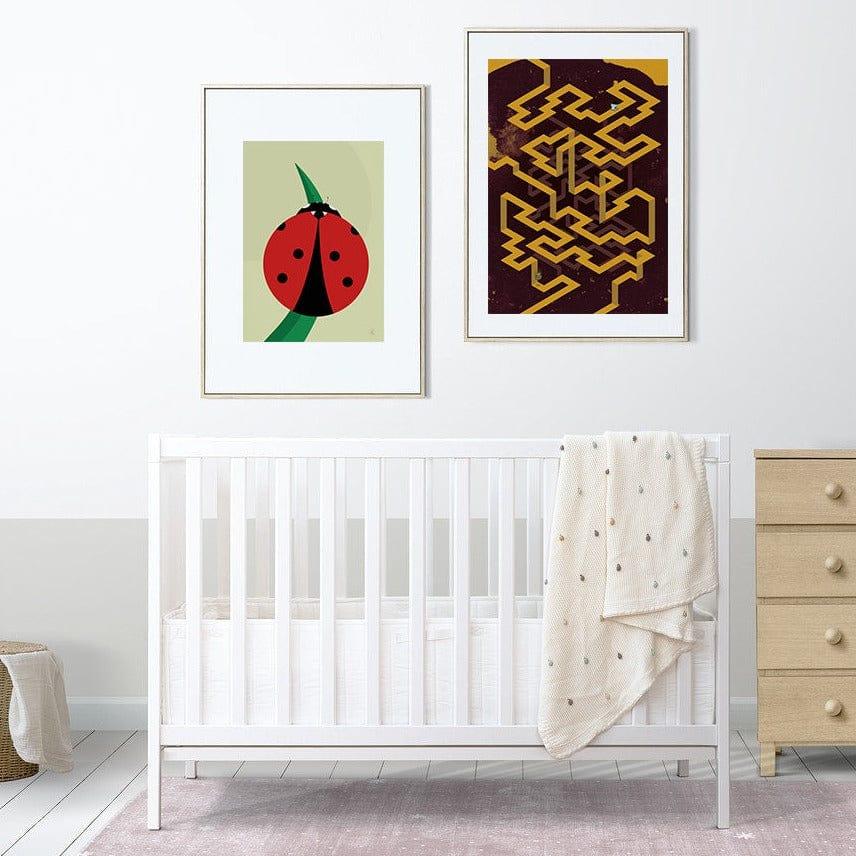

Room-specific recommendations for wall objects include:
Living Rooms
- Scale: Larger statement pieces that can be appreciated from a distance
- Placement: Above sofas, mantels, or as focal points on feature walls
- Combinations: Pairing with complementary two-dimensional art for layered displays
Bedrooms
- Theme: More calm, thoughtful pieces that promote relaxation
- Placement: Above headboards or on walls visible from the bed
- Lighting: Soft, ambient illumination that creates gentle shadow play
Children's Rooms
- Style: Playful, whimsical pieces with engaging forms and colors
- Safety: Securely mounted at appropriate heights
- Complementary elements: Pairing with pieces like the Little Ladybug Poster ($15.99)
Home Offices
- Function: Inspiring pieces that stimulate creativity without distraction
- Scale: Appropriately sized for closer viewing at desk distance
- Arrangement: Strategic placement in video call backgrounds
For more specific guidance on room-appropriate art selection, the guide to transforming spaces offers valuable insights tailored to different room functions. These principles help ensure that wall objects enhance rather than detract from each room's intended purpose, creating environments that are both pretty and practical. Interior designers stress that successful room-specific applications consider not just visual appeal but also practical factors like traffic patterns, viewing distances, and typical activities within the space.
Conclusion: The Future of Wall Decor
As we move through 2025, the evolution of wall objects represents a big shift in how we decorate our living spaces. The movement from flat art to sculptural, 3D pieces reflects broader trends toward tactile experiences, craftsmanship, and personalization in an increasingly digital world. This change is more than just a passing trend; it shows a fundamental rethinking of how we interact with our home environments and the emotional connections we form with the objects around us. The growing love for 3D wall art suggests we all want more engaging, multi-sensory home environments.

The wall objects of 2025 follow several key principles that will likely continue to influence interior design in the coming years:
1. Sustainability - Using eco-friendly materials and production methods
2. Craftsmanship - Valuing handmade qualities and artistic expression
3. Dimensionality - Breaking free from flat surfaces to create visual depth
4. Personalization - Offering unique pieces that reflect individual taste and personality
At HiPosterShop, there's a commitment to exploring these principles through an evolving collection of wall objects and complementary 2D art. From sculptural masks to abstract organic forms, each piece represents dedication to creating distinctive, artful elements that transform ordinary walls into extraordinary expressions of personal style. This approach recognizes that our homes are not merely functional spaces but personal sanctuaries that reflect who we are, what we value, and what we find beautiful. The thoughtful selection of wall objects allows for the creation of environments that feel both personal and timeless.
Whether you're drawn to the surrealist appeal of the 4 Eyed Mask, the organic forms of the Volcano Part, or the metallic sophistication of the Golden Boy, explore the transformative potential of 3D wall art in your own spaces. These pieces offer opportunities to create environments that engage the senses, start conversations, and change visually as lighting and perspectives shift throughout the day.
For ongoing inspiration and practical guidance on incorporating these pieces into your home, explore the journal articles and complete wall art objects collection. The future of wall decor lies in this thoughtful integration of dimension, texture, and personal expression – creating spaces that feel authentically human in an increasingly digital world.
